5 AI tools for HR teams and professionals

5 AI tools for HR teams and professionals

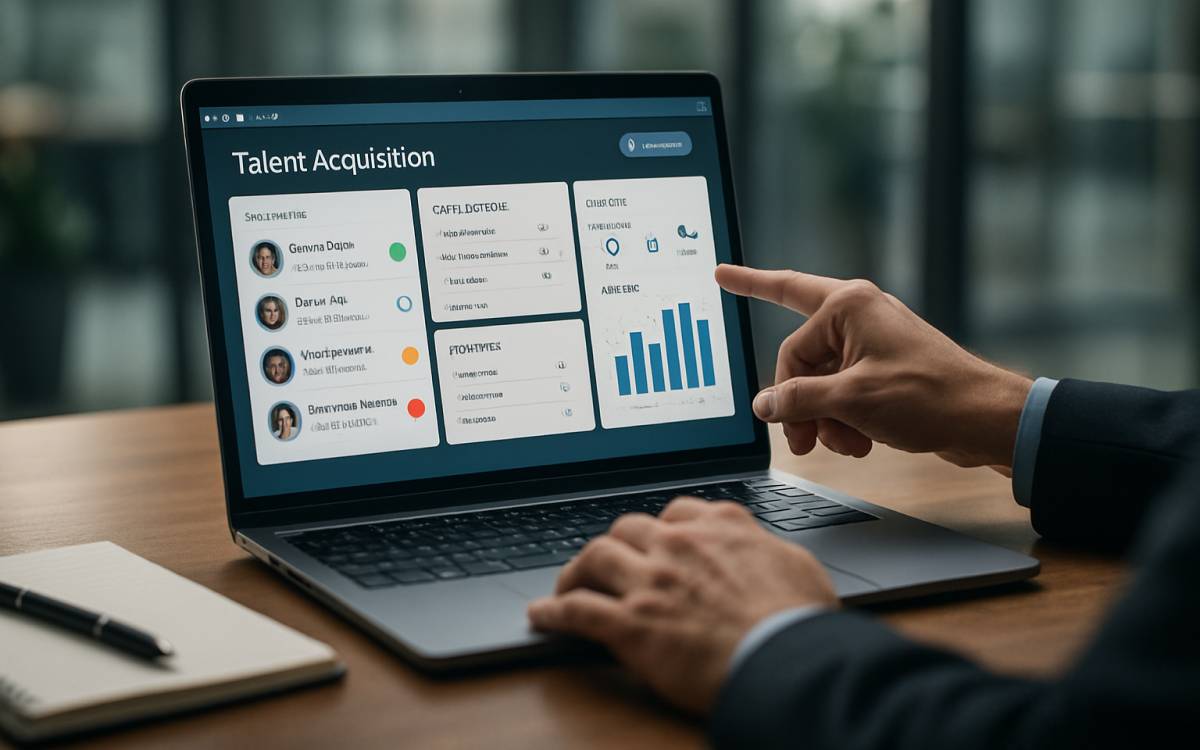
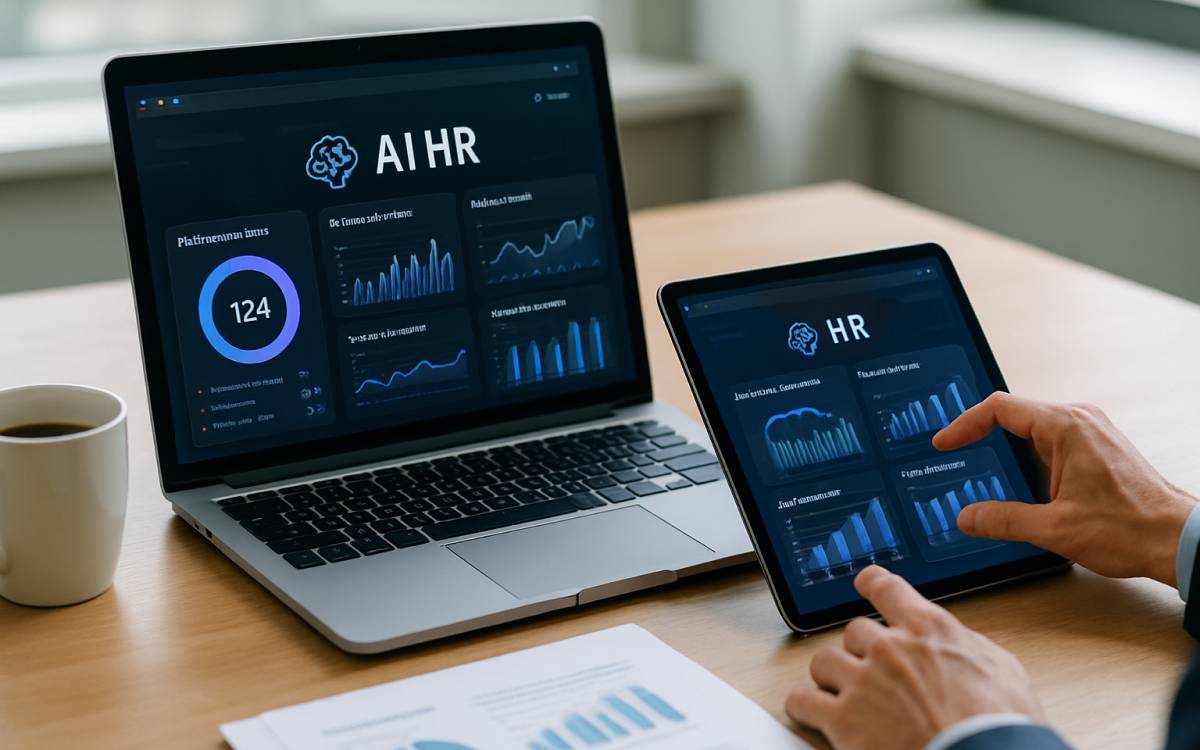
The traditional human resources operations are currently undergoing a massive digital transformation. HR departments across sectors and enterprises are looking to integrate artificial intelligence tools into their operations to improve efficiency. Businesses have shifted their focus from basic automation tools toward smarter, more integrated management systems. Today, various AI HR tools help uncover workforce insights, automate routine tasks, conduct basic interviews, etc. Leveraging such tools helps human resource professionals work more effectively, faster, and smarter.

Lattice

Lattice provides a unified platform that integrates employee engagement, growth, and feedback to help professionals drive performance. The tool makes it easier for managers and employees to stay informed about projects, policies, and other essential information. Lattice empowers leadership teams to track performance, strengthen work culture, and improve retention. The AI platform also provides development plans, live engagement insights, and structured feedback loops that remain accessible beyond the appraisal cycle. Performance reviews are easier with Lattice’s AI-supported prompts and the analytics it provides for department- or team-level trends. Based on the features used and team requirements, the platform’s cost may start from $11 per person per month. 

HR Acuity

HR Acuity makes it easier for HR teams to maintain employee relations and conduct thorough workplace investigations. It offers users tools to track, document, and analyze the common issues employees face, helping create a fair work environment. The platform’s AI tool helps identify patterns and assess trends in employee retention data. The platform also streamlines processes like case management, employee workplace reporting, documentation, and analytics. It also features an ethics and compliance hotline for employees to report concerns with confidence. Users can book a demo through the platform’s official website and determine if it is the right HR AI tool for them. 

Eightfold

Eightfold is an efficient talent management platform. The platform simplifies HR processes by offering a comprehensive suite of tools for resource management, workforce exchange, talent acquisition, talent management, and AI-powered interviewing. It caters to enterprises, marketplaces, and public sector companies. Eightfold focuses on a candidate’s skill set, ensuring a deserving applicant is not rejected based solely on their resume. This AI HR tool can be handy for companies looking to make easier, faster decisions and make better choices in real time. 

Deel

Deel is a reliable platform for compliance and payroll management. It is specifically designed for companies with teams scattered around the globe. It uses artificial intelligence to assess compliance risks, answer queries, and automate routine administrative tasks. This helps create a collaborative and productive work environment for employees. The Deel AI can also provide country-specific responses to questions about leave requirements, hiring rules, and payroll. The AI can also be used to flag potential compliance issues in accordance with local laws. It can help the company avoid legal and compliance trouble by reviewing documentation, performing policy checks, and drafting contracts. 

Paycor

Paycor is a useful AI HR tool for small to midsize companies. It is essentially a Human Capital Management (HCM) tool for companies looking to improve their HR and payroll systems. The platform streamlines day-to-day administrative tasks. Its predictive analysis helps HR teams make decisions on compensation, retention, diversity hiring, and planning. Professionals can also use it to automate tasks such as performance tracking, onboarding, and employee development.

When choosing an AI HR tool, focus on how well it fits into the enterprise’s current workflow and solves a specific problem, without causing more work or data security risks. Since these tools directly impact hiring and promotion decisions, it is important to ensure the software does not make unfair, biased decisions.


Popular Articles

01

Private workspace cubicles – Benefits, types, and layouts

Knowing how to collaborate with team members and maintain individual focus is crucial in a workplace. This can be achieved through a workspace and layout that support teambuilding and personal productivity. Open spaces can be noisy and cause distraction, while a closed-off space can disrupt team harmony and productivity. So, what can be done? Reimagining the office layout to include private workspace cubicles can boost productivity. Before choosing a cubicle setup, it is important to consider a few things. Reasons to adopt private cubicles in offices Noise reduction Cubicles help dampen sound and reduce the ambient noise levels in a workplace. Their high panels, enclosed layouts, and acoustic materials reduce sound transmission caused by conversations, calls, and work equipment. A quieter environment makes it easier for employees to focus on their tasks and finish them quickly and without errors. Visual privacy The walled panels in cubicles provide visual separation to employees and limit interruptions and unwanted distractions they may otherwise experience. Many offices have enclosed or high-panel designs to prevent constant eye contact between workers and to break the flow of focus when movement occurs in the background. This relative isolation helps individual workers feel more comfortable and allows confidential discussions without constant visual interference from others.
Read More
02

Things to know about AI recruiting software

The hiring process has undergone a massive change over the last few years. Many organizations across the world have moved from using physical files to operating cloud-based recruiting platforms on computers. Some have even taken a step further by introducing AI recruiting systems in the workspace. This is the latest software with built-in AI that helps hiring managers with tasks like sourcing, screening, and communication, saving a lot of time. What is an AI recruiter? AI recruiters are digital tools that use automation and machine learning to help hiring managers with everyday processes, such as finding candidates, reviewing resumes, coordinating interviews, and sending follow-up messages. They also help organize information and automate repetitive tasks. However, unlike how it appears, AI recruitment solutions do not take over the entire hiring process. The final hiring decision remains in human hands. Automated AI recruiters do not work as separate systems. Instead, they are connected to applicant tracking tools, calendars, email, and work chat apps that organizations already use. The AI hiring tools are designed to fit into the organization’s existing digital workflows, making recruiting more seamless and streamlined. How do AI recruitment solutions help? Workspace AI recruiting systems support numerous aspects of the hiring process, which helps the organization in several ways.
Read More
03

Factors to consider when buying security camera systems for businesses

For any business, ensuring the safety of office premises is of paramount importance. This is where security camera systems come into the picture. They help monitor daily operations, prevent theft, and provide valuable evidence in the event of incidents. However, not all security camera systems are the same. Choosing the right setup requires careful consideration, as different features serve different business needs. Understanding their features can help ensure the surveillance system delivers reliable protection without unnecessary costs. The type of cameras Setting up CCTV surveillance for business starts with choosing the right camera. Some of the options include bullet cameras, dome cameras, and PTZ cameras. Bullet cameras are usually cylindrical or cuboidal. They offer long-range viewing, making them ideal for surveilling outdoor areas, entrances, parking lots, and perimeter monitoring. But the main advantage that sets bullet cameras apart is their clear visibility, owing to their size. So in a way, they serve as warnings and possible deterrents to miscreants. Dome cameras, on the other hand, are more discreet and harder to notice at a glance. Plus, due to their shape, they offer a wide viewing range and a high degree of flexibility. So one can rotate the position of the lens to capture footage across a wider area.
Read More